
Sense, Sensibility, and Sourdough: Jane Austen Reviews Caro Claire Burke's "Yesteryear"
Jane Austen · July 15, 2026
Written in the fictional voice of Jane Austen. AI Disclosure.
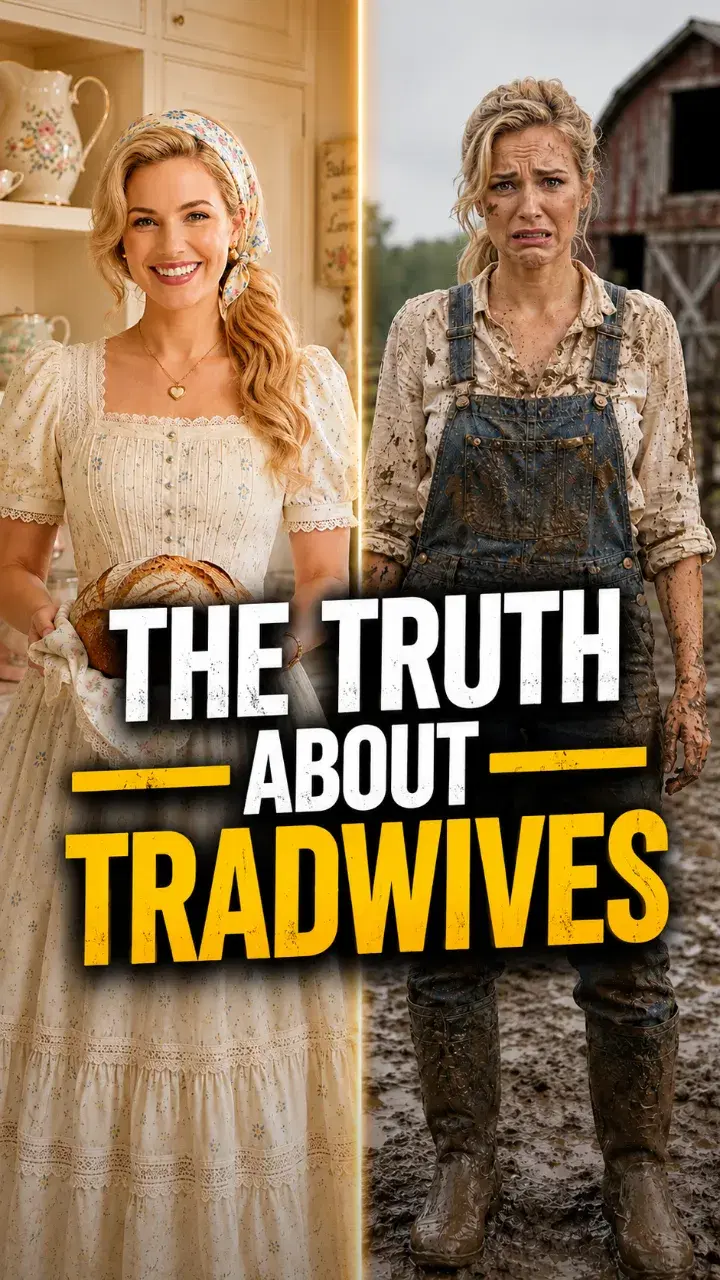
It is a truth universally acknowledged, that a modern lady in possession of a large online following must be in want of a butter churn. In Yesteryear, a most curious debut novel by Caro Claire Burke, we are introduced to one Natalie Heller Mills, a highly celebrated "tradwife" influencer. Natalie has made a handsome living by persuading several million strangers that she is a creature of pure, rustic simplicity, happily tucked away on a picturesque farm far from the vulgarities of modern life.
But as any woman of the nineteenth century could have told her, there is a vast difference between the elegant performance of domesticity and the exhausting truth of it. The true comedy—and terror—begins when Natalie awakens to find herself deposited directly into the unforgiving mud of 1855. Gone are her cashmere wraps and her magical glowing pocket-mirrors; in their stead, she is confronted with coarse prairie dresses, a collection of unfamiliar children, and the distinct lack of a nanny. I must confess myself highly entertained by her absolute astonishment upon discovering that the "yesteryear" she so passionately marketed to her followers was indeed a place of unrelenting labor and terrible hygiene. How delightfully ironic that a lady who built her entire reputation on the quiet joys of submission is so thoroughly appalled when she is genuinely required to submit to the physical misery of it! She wanted the delightful aesthetics of my own era but forgot that we lived in constant terror of the croup. While some modern critics have cried out that the novel’s ending is entirely "off the rails," I find the heroine’s ultimate undoing to be a most satisfactory lesson in vanity. Natalie is a wonderfully complex, if deeply self-deluded, creature, though her folly lies in believing that submission to a husband and a wood-burning stove is a substitute for a genuine intellect.
Ultimately, Miss Burke has given us a biting, highly necessary satire on the peculiar madness of the present age. If you are a lady who fancies herself suited to a life of baking sourdough in a bonnet, I implore you to read Yesteryear before you discard your indoor plumbing. It is a sharp, spirited cautionary tale for those who look backward through a heavily filtered glass.