
We are not amused by Earl Spencer's book about Princess Diana
Queen Victoria · September 20, 2026
Written in the fictional voice of Queen Victoria. AI Disclosure.
When we opened the Great Exhibition of 1851, we presented the triumphs of British industry with dignity, not by pleading with foreign silicon merchants in Ayrshire. It is with a heavy heart and a raised eyebrow that we observe our great-great-great-grandson, King Charles, attempting to lecture the tech aristocracy on the 'existential dangers' of artificial intelligence at Dumfries House. Naturally, his grand grandstanding on modern gadgets was instantly eclipsed by the far more familiar British export: spectacular domestic laundry aired in the public square.
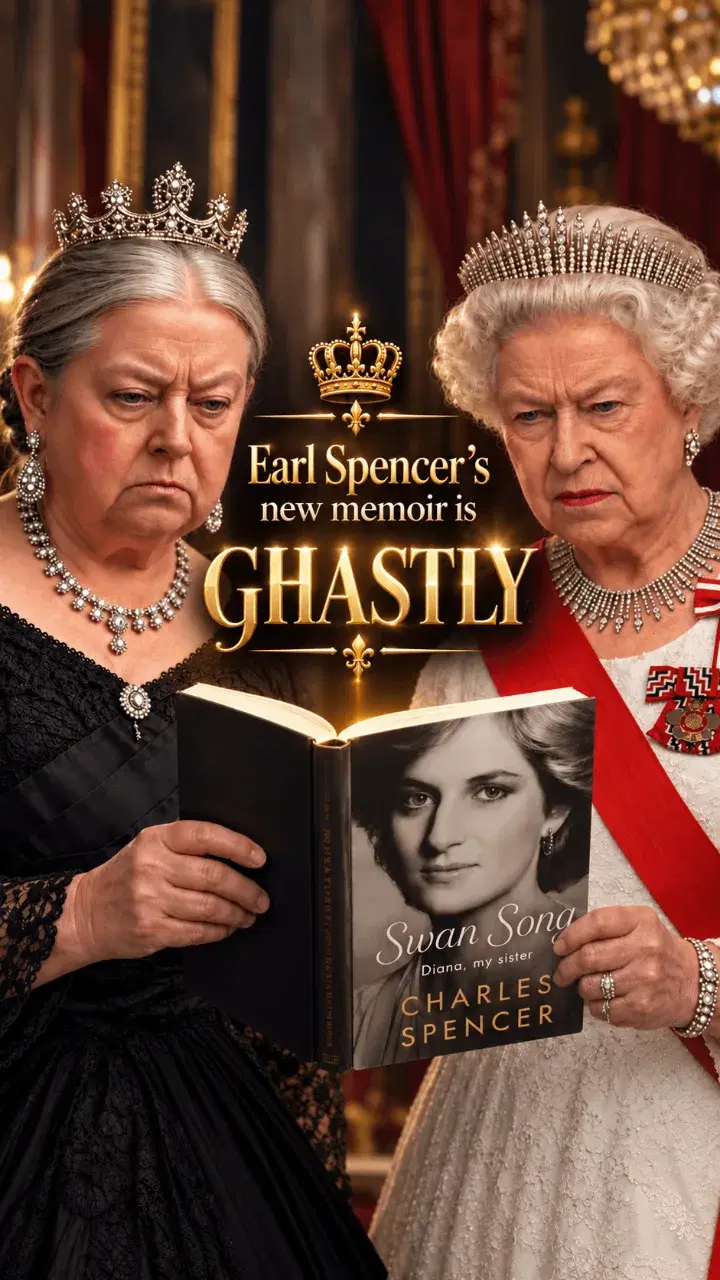
We refer, of course, to the late Princess’s brother, Earl Spencer, whose forthcoming book Swan Song has arrived like an uninvited ghost at the feast. To claim that Charles was ‘giddily elated’ after Diana's passing and declared she would be forgotten ‘soon enough’ is a level of indiscretion that would have landed a courtier in the Tower in our day. Now, the Palace is reduced to issuing hand-wringing statements about how ‘grief can cloud reason.’ A sovereign does not bicker with an Earl via press release! If that were not tedious enough, we must also endure the absolute comedy of Prince Harry and his lady wife pulling their children from a Cotswolds school after a mere two days because of ‘school-run’ traffic. A royal convoy defeated by a queue of motor carriages? In our era, a sovereign moved with an escort of Household Cavalry that did not yield to the local baker’s cart. If the Sussexes cannot navigate a simple drop-off without a multi-car security crisis, perhaps they should try the railway—or, better yet, a quiet retreat from the public eye. While Charles attempts to build a noble legacy of regulating algorithms alongside the masterminds of OpenAI and Nvidia, his own family tree remains entirely unregulated. One cannot govern the technology of the future when one cannot even govern one's own cousins.
To steady the ship of state, the Crown must cease chasing the fleeting approvals of tech barons and the tabloid press alike. The true strength of the British monarchy lies not in its ability to draft policies on artificial intellects, but in its unwavering devotion to duty, dignity, and absolute silence. Let the silicon tycoons worry about their code; let the family focus on maintaining decorum. Only then will the Crown rise above the chatter of tell-all memoirs and schoolyard traffic jams.